
Most traders understand prop trading from their side of the screen: buy a challenge, pass it, get funded, get paid. What’s less understood is the business on the other side, and when the FundedTrading team asked me to walk through it honestly, I was happy to.
How Prop Firms Actually Make Money
There’s no single answer: every firm has a slightly different model. But it usually comes down to a few streams working together.
Underneath all of it, the real work is making sure that only skilled and consistent traders scale up, because that’s what protects the firm’s capital over time.
The Biggest Misconception
The common retail assumption is that prop firms are “just demo”, that they never fund real capital because they can’t or won’t. The reality is more nuanced. If you offer a very competitive one- or two-step evaluation, you often don’t have enough data to know whether a trader is genuinely consistent. Somebody can pass on five trades, and we all know most traders aren’t consistently profitable. There’s luck in there too. So the firm’s real challenge is offering rules and pricing traders want, while still gathering enough data and running enough risk control to fund people the right way.
Managing Risk Without Killing the Experience
Risk shows up in more places than people expect: traders who pass on a handful of trades then blow the next account; high-frequency or algorithmic strategies that only work in a demo evaluation environment; even chargeback fraud and review threats. The defenses are strict, clear rules, real risk-management software, and, just as important, incentives pointed the right way.
"You want traders who see you as a business partner, not as something to take advantage of. The moment the model becomes a race to the bottom (cheaper, easier, looser), everyone’s margins go. The answer isn’t a price war. It’s a brand and a reputation that let you offer fair rules at a fair price."
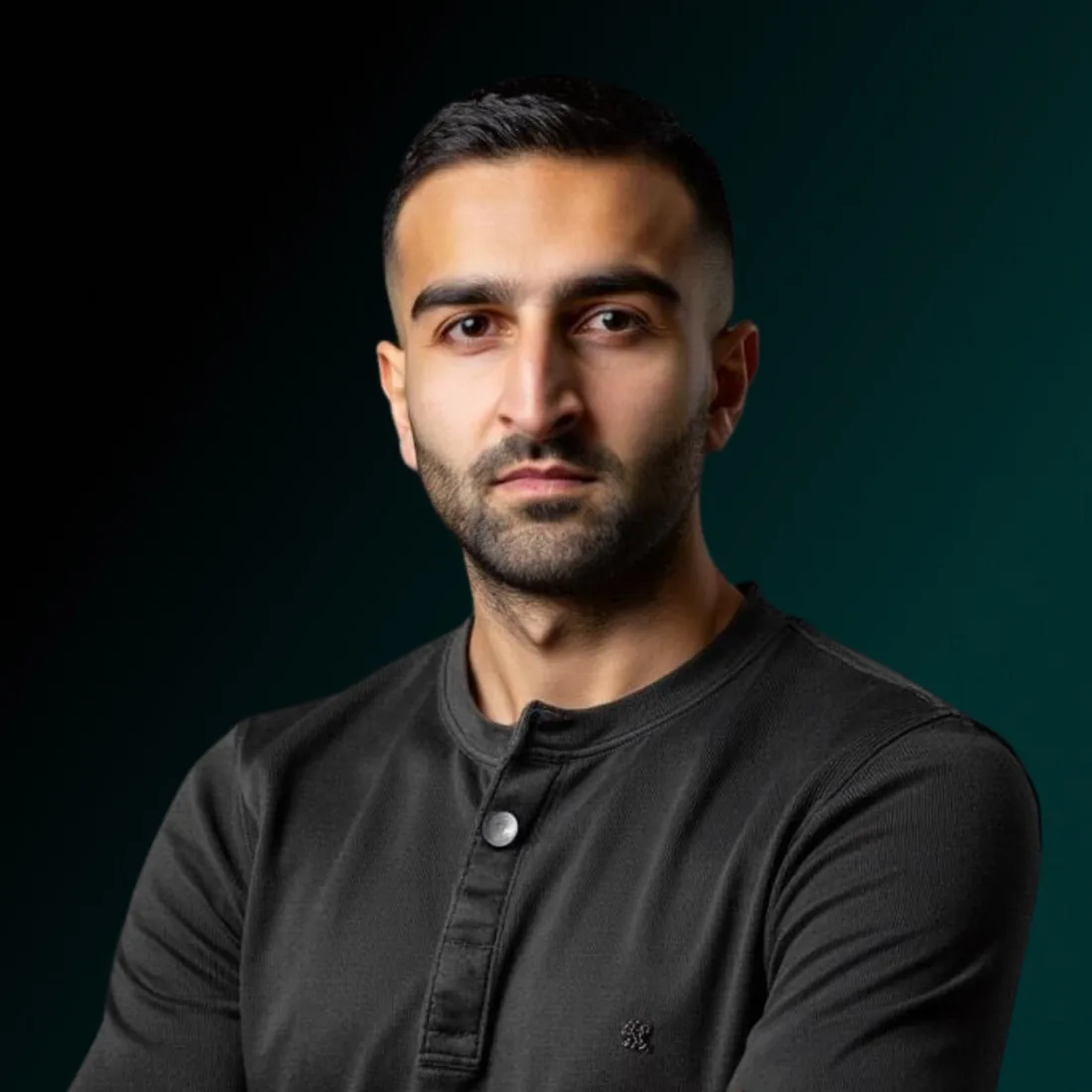
Markus SichlerCo-Founder
What Separates the Traders Who Last
We have a lot of data on this, and honestly the answer isn’t spectacular: discipline, following your own rules, and risk management win. Consistency over quick wins. A real edge you actually understand, not a borrowed algorithm and a hope. The traders who treat it as a craft and a career, who show up to work with the firm rather than to scam it, are the ones still here a year later.
How to Tell a Legit Firm From the Rest
There are a lot of firms and a lot of scams, so a few signals matter. Look for transparency: clear payout policies, and a firm that’s open about who’s behind it. Check the track record, the reviews, what other traders say. You can even ask their support about recent payout statistics. And treat unrealistic profit splits or impossibly easy conditions as a red flag: a business has to be sustainable, and a firm that can’t sustain its own offer eventually runs out of money. Firms that invest in their technology, infrastructure and growth tend to be the stable ones.
Where the Industry Is Heading
I expect more focus on alternative assets: futures gained ground, and with crypto running we’ll likely see more firms offering spot and futures across diverse crypto assets. Bigger picture, I think the shift is toward sustainability. The race to the bottom washes firms out, we saw a wave of closures already, and the survivors will prioritize longevity over pure growth. Some regional regulation may eventually arrive; the open question is simply which framework prop trading falls under. Either way, it nudges the industry to grow up.
If I had one piece of advice for a trader, and for an operator, it’s the same: treat it like a business, not gambling. Focus on consistency, risk management, and long-term growth. The firms and the traders that win are the ones who stop chasing the quick result and start building something that lasts.

Markus is a co-founder at Quant Technology Group, where he helps shape the technology, risk and infrastructure powering modern prop firms and brokers. He speaks regularly on where proprietary trading is heading and how operators build businesses that last.
More from Markus

 Akash Thakrar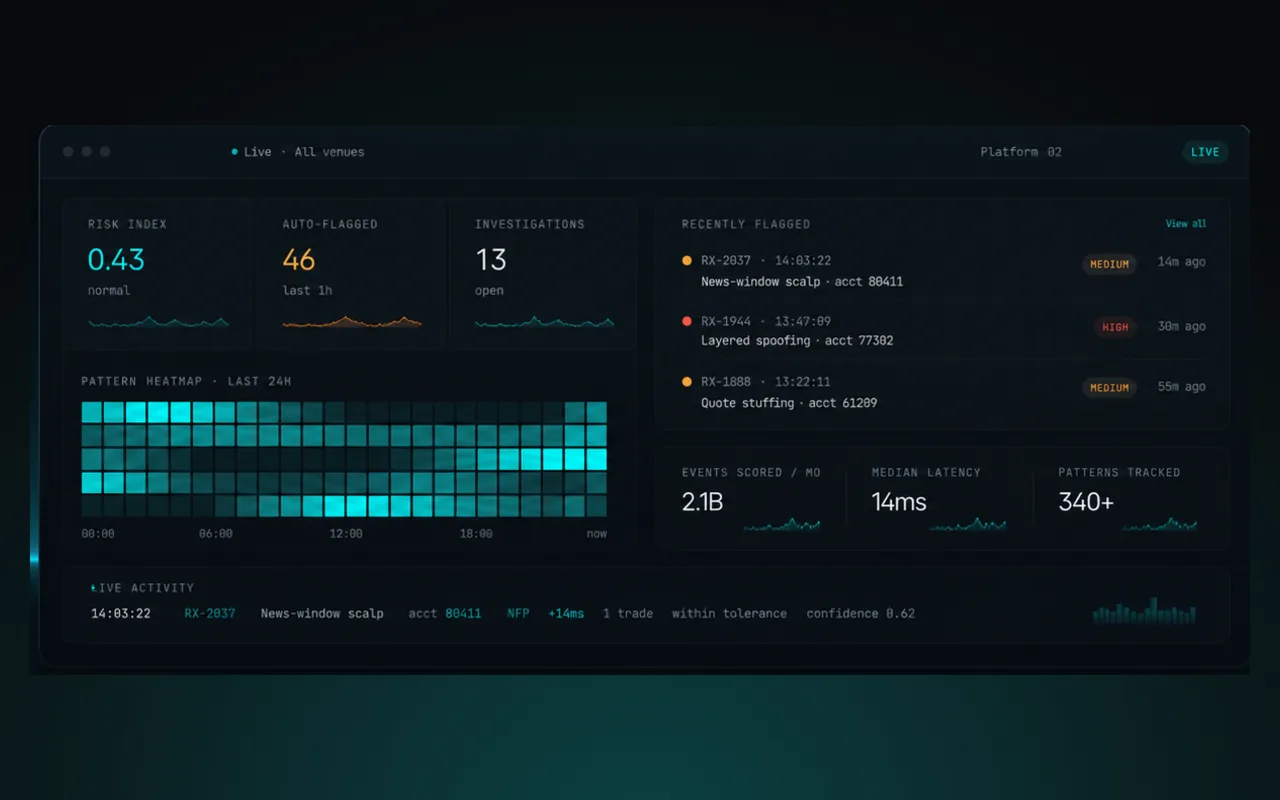
 Product · QuantSentry