
Proprietary trading grew up fast, faster than a lot of the businesses inside it. So when Crystal Lok from OANDA pulled together a panel at iFX EXPO Dubai with Ron Strauss of Leverate, Anton Sokolov of Brokeree and me, the framing was deliberately unglamorous: not the hype, but what it takes to still be here in three years.
It Starts With Aligning Interests
For most of this industry’s short life, the model has been simple: a prop firm makes money by selling challenges, and payouts are treated as the cost of doing business. Read that back and the problem is obvious, if your traders win, you lose. That is a conflict of interest baked into the core of the business.
The next phase has to fix that. The firms I’d bet on are the ones rebuilding the model so the trader and the firm are on the same side: where a successful trader is an asset, not a liability. Ron put it well from the technology side: a prop firm can’t be based solely on selling challenges. You need a wider offering and a genuinely friendly environment, because every successful trader becomes one of your best ambassadors.
"As long as a prop firm only earns by selling challenges, every payout is a loss. The whole game in the next phase is aligning the trader’s success with the firm’s, so both win together."
Markus SichlerCo-Founder
Beyond the “Brutal” Shake-out
Everyone calls the last two years brutal, and plenty of firms did close. But that isn’t the whole story. From where we sit as a B2B provider, the market is maturing rather than collapsing. The clients we onboard now want to build long-term businesses, not a six-month cash grab. Scams are going down. Buyers ask who is actually behind a firm.
A lot of that is healthy pressure from CFD brokers moving into prop. They arrive knowing risk management and liquidity, exactly the disciplines a marketing-led operator usually lacks, and they pull the whole standard upward. Prop trading has become a real alternative to a small brokerage account, and with that comes scrutiny, structure, and a much higher floor.
Why Firms Actually Fail
Anton made a point I keep coming back to: the technology is already good enough. Almost any setup you can imagine is achievable with what’s on the market today. So when roughly one in seven firms shut down, it usually isn’t a tech problem. It’s one of two gaps.
- 01Brilliant at marketing and community, but no risk-management know-how. They onboard fast and then blow up.
- 02Strong brokerage DNA and order-flow skills, but they don’t understand community, Discord, or why they should be on TikTok, so they never generate enough flow.
The lesson isn’t “buy more features.” It’s client-centricity: understand what your traders actually need, use the platform capabilities you already have, and get the risk discipline right.
Compete on Brand, Not Price
Too many firms offer almost exactly the same thing, which leaves price as the only lever: bigger coupon codes, cheaper challenges, a race to the bottom. That is the opposite of sustainable. If you don’t build a real brand and fill an actual gap in the market, you’re left competing on rules and price alone, and that is very hard to defend.
The Three Things That Matter
Asked to name what a prop firm should focus on, the panel kept circling the same short list:
On Regulation
We were asked whether regulation is coming. My honest answer: probably, but slowly, and likely regional first. Anton’s read is sharp. We may not get a single “prop license” soon, because the business doesn’t take deposits or process order flow the way a broker does. What arrives sooner is pressure on promotion: regulators want to avoid anything that looks like gamified gambling. Either way, running a tight, transparent ship now is how you stay ready.
The hype phase rewarded whoever could sell the most challenges. The next phase rewards firms that align with their traders, build a real brand, stay agile, and treat risk and transparency as features, not afterthoughts. That’s the business that’s still standing in three years.
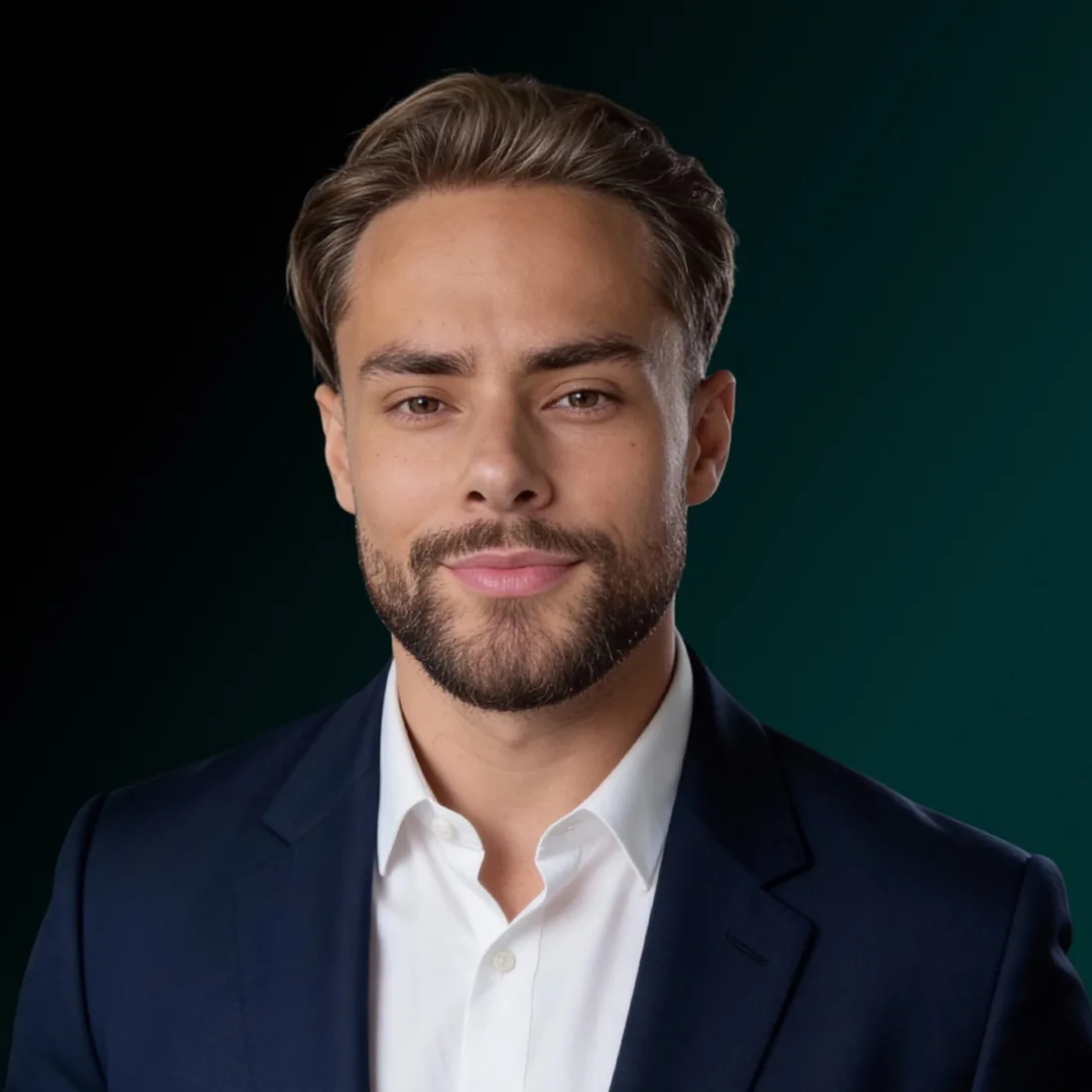
Markus is a co-founder at Quant Technology Group, where he helps shape the technology, risk and infrastructure powering modern prop firms and brokers. He speaks regularly on where proprietary trading is heading and how operators build businesses that last.
More from Markus
 Akash Thakrar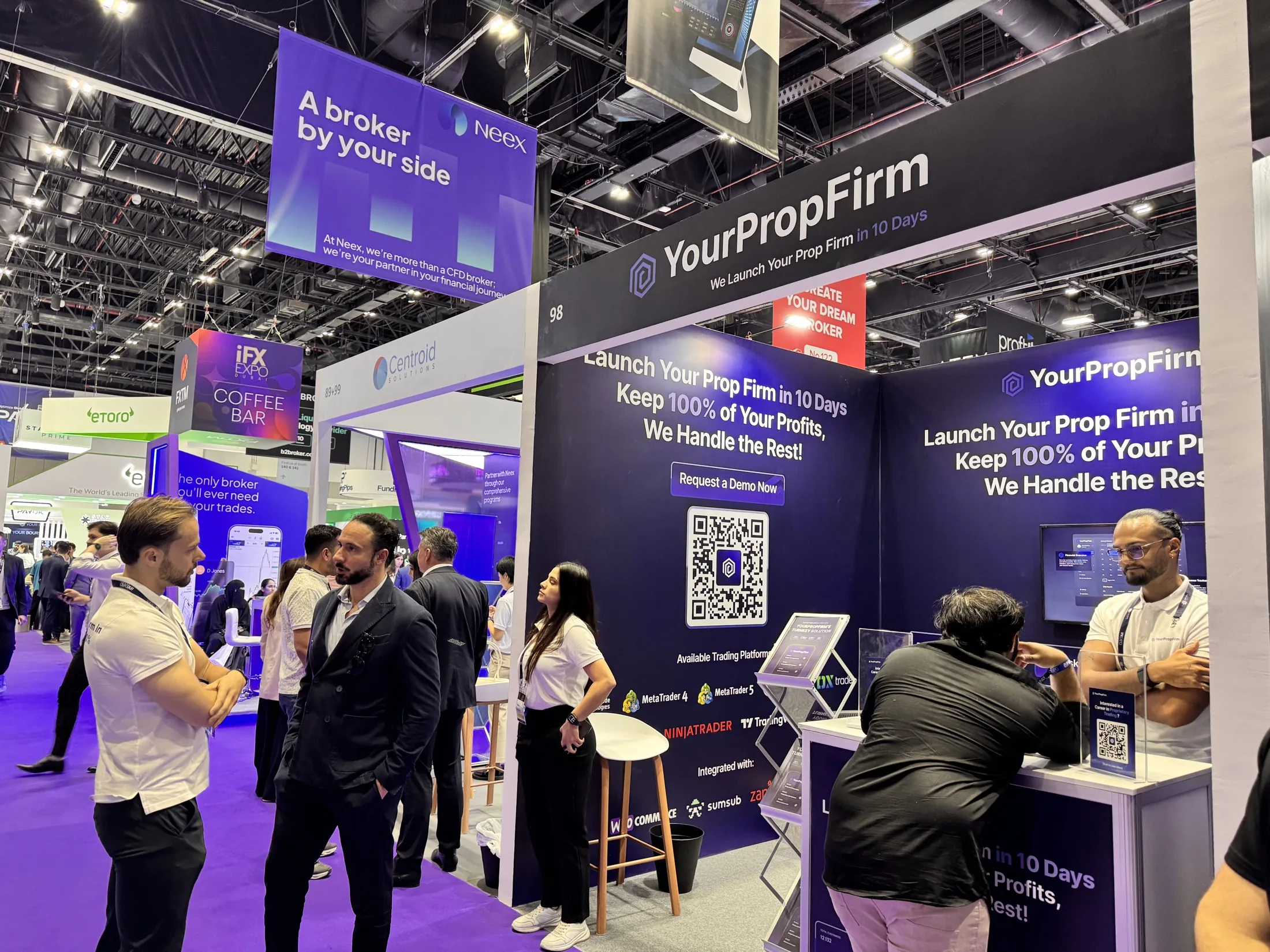
 Product · QuantSentry